Emergency Management Department
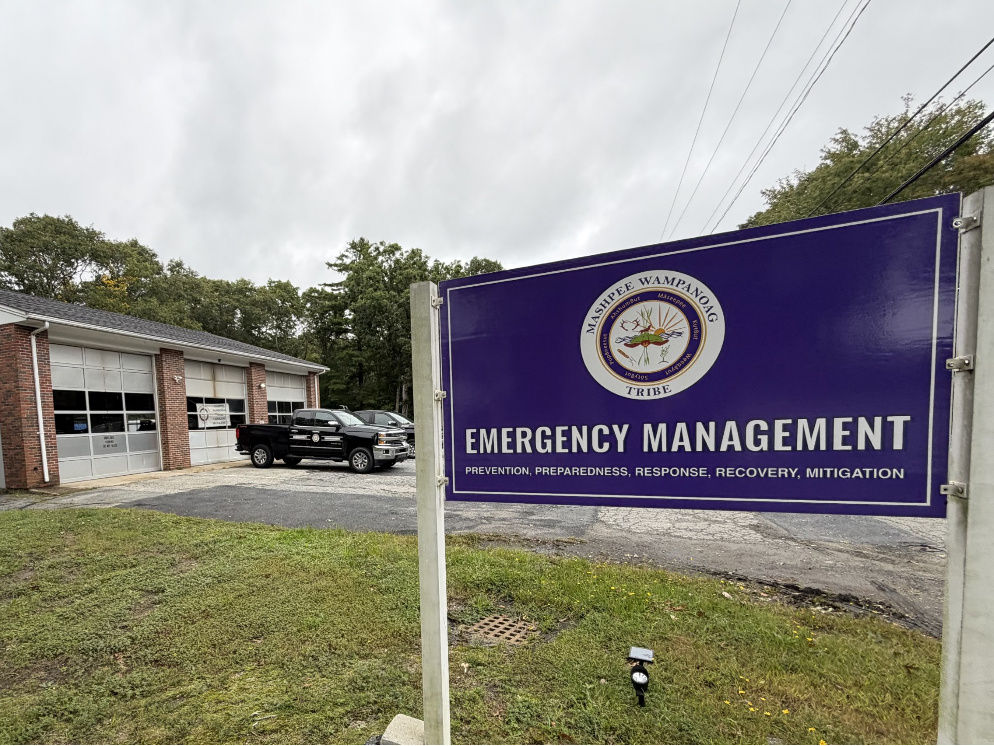
Prevention • Preparedness • Response • Recovery • Mitigation
The Mashpee Wampanoag Tribe Emergency Management Department (MWTEMD) works to protect our Tribal citizens, employees, visitors, property, cultural resources, and Tribal government operations from emergencies and disasters.
Using an all-hazards approach, Emergency Management coordinates preparedness, prevention, mitigation, response, and recovery activities while strengthening the Tribe's ability to respond to emergencies as a sovereign Tribal Nation.
For an immediate life-threatening emergency, call 911.
Major Disaster Declaration – DR-4919-MWT
Mashpee Wampanoag Tribe Major Disaster Declaration
The Mashpee Wampanoag Tribe is currently conducting recovery activities under FEMA Major Disaster Declaration DR-4919-MWT.
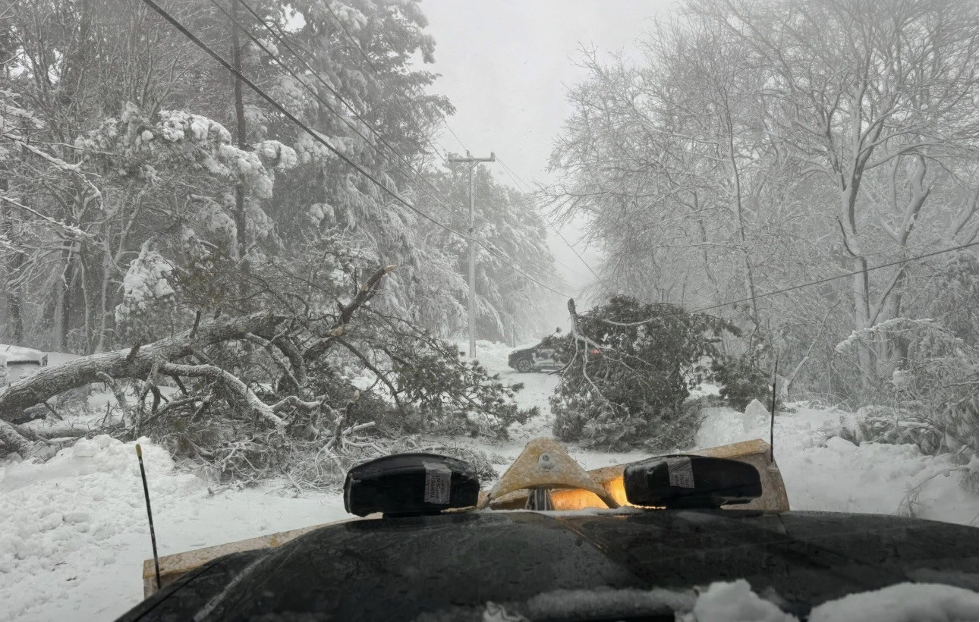
The declaration supports the Tribe's recovery from the severe winter storm and blizzard and provides for direct federal disaster coordination between the Mashpee Wampanoag Tribe and the United States.
MWT Emergency Management is coordinating Tribal disaster recovery activities, including documentation of eligible damages and costs, Public Assistance coordination, site inspections, recovery planning, and hazard mitigation activities.
Recovery is a continuing process. Information regarding Tribal recovery activities, FEMA programs, mitigation planning, and important updates will be posted on this page as they become available.
Our Mission
MWT Emergency Management Department's mission is to support our Tribal citizens to ensure that as a Sovereign Nation we work together to make all reasonable efforts to prevent and mitigate against all hazards, prepare for and respond to emergencies, and initiate recovery activities on our own, whenever possible.
About MWT Emergency Management
The Mashpee Wampanoag Tribe Emergency Management Department is responsible for coordinating the Tribe's efforts to prepare for, respond to, recover from, and mitigate emergencies and disasters.
MWTEMD uses an all-hazards approach that recognizes emergencies may result from severe weather, coastal storms, flooding, fires, extended power outages, public health emergencies, hazardous materials, cyber incidents, infrastructure failures, human-caused incidents, and other threats.
The Department works across Tribal government and with local, county, state, federal, and other Tribal Nation partners to build and sustain the capabilities needed to protect our people and maintain essential Tribal government services.
Emergency Management activities include:
Emergency planning and preparedness
Emergency alerts and public information
Emergency Operations Center coordination
Tribal Emergency Response Task Force coordination
Emergency communications
Sheltering and mass care
Emergency supplies and logistics
Search-and-rescue support
Marine and water-response capabilities
Unmanned Aircraft Systems (UAS/drone) support
Damage and impact assessments
Disaster response and recovery
FEMA disaster assistance coordination
Hazard mitigation and community resilience
Continuity of Tribal government operations
Training and exercises
Community preparedness education
Coordination with public-safety and government partners
Be Prepared
Emergencies can happen at any time and sometimes with little warning. Preparing before an emergency makes it easier to protect yourself, your family, and your community. MWTEMD encourages every Tribal household to take four basic preparedness steps.
MAKE A PLAN
Know how your household will communicate during an emergency, where you will meet if separated, and what you will do if you need to shelter in place or evacuate. Your plan should consider children, elders, medications, medical equipment, transportation, pets and service animals, and family members with disabilities or access and functional needs.
BUILD A KIT
Have emergency supplies available at home and consider smaller emergency kits for your vehicle and workplace. Include water, nonperishable food, medications, flashlights, batteries, first-aid supplies, phone chargers or backup power, important documents, seasonal clothing, personal hygiene items, and supplies specific to your household.
STAY INFORMED
Have multiple ways to receive emergency information. Do not depend on only one communication method, particularly during severe weather or extended power outages. Monitor official Mashpee Wampanoag Tribe communications, emergency notifications, National Weather Service warnings, Wireless Emergency Alerts, NOAA Weather Radio, and other official public-safety sources.
KNOW YOUR RISK
Learn about the hazards that may affect your home, workplace, and community. The Mashpee Wampanoag community and Tribal operations may be affected by hurricanes and tropical storms, nor'easters, coastal and inland flooding, winter storms, extreme temperatures, high winds, extended power outages, fires, hazardous-material incidents, cyber incidents, infrastructure disruptions, and other emergencies. Preparedness starts before an emergency occurs.
Emergency Alerts & Warnings
During an emergency, follow official instructions issued by the Mashpee Wampanoag Tribe, MWT Emergency Management, public-safety officials, and other appropriate authorities.
Keep multiple methods available for receiving emergency information, particularly if electricity, internet service, or cellular communications are disrupted.
Know the difference
WATCH - Be Prepared. Conditions are possible or favorable for hazardous weather. Monitor conditions and be ready to act.
WARNING - Take Action. Hazardous weather is occurring, imminent, or expected. Follow protective-action instructions and seek appropriate shelter.
During emergencies, monitor official information, keep phones and backup batteries charged, avoid unnecessary travel, check on elders and neighbors when safe to do so, and follow evacuation, shelter-in-place, or other protective-action instructions.
Coastal Storms, Hurricanes & Flooding
As a coastal Tribal community on Cape Cod, the Mashpee Wampanoag Tribe must remain prepared for hurricanes, tropical storms, nor'easters, coastal flooding, storm surge, high winds, heavy rainfall, and prolonged power outages.
Atlantic hurricane season runs from June 1 through November 30, but damaging coastal storms and flooding can occur throughout the year.
Before a coastal storm
Know whether you live or work in a hurricane evacuation zone. Review your household emergency and evacuation plans. Maintain emergency supplies and medications. Charge phones and backup power sources. Secure outdoor equipment and marine assets. Keep vehicles fueled or charged. Never drive through flooded roadways. Follow instructions from Tribal and public-safety officials.
Massachusetts hurricane evacuation zones are based on potential storm-surge impacts and are not the same as FEMA flood insurance zones or hurricane categories.
Department contacts
Nelson J. Andrews Jr.
Emergency Management Director
Mashpee Wampanoag Tribe
Phone: 508-681-9754
Email: nelson.andrewsjr@mwtribe-nsn.gov
Adam Jonas Jr.
Assistant Emergency Management Director
Mashpee Wampanoag Tribe
Emergency Management Department
Emergency Management Station Address: 85 Rt. 130 Forestdale, MA 02654
Community & Government Center Address: 483 Great Neck Rd. So. Mashpee, MA. 02649
For immediate police, fire, medical, or other life-threatening emergency, call 911.
Email and social media should not be used to report an emergency.
Continue to follow Emergency Management updates on
Twitter at http://www.twitter.com/MWTEmergPrep
Facebook at http://www.facebook.com/mwteprep
Continue to follow MEMA updates on
Twitter at www.twitter.com/MassEMA
Facebook at https://www.facebook.com/mwteprep/
YouTube at www.youtube.com/MassachusettsEMA
Massachusetts Alerts: to receive emergency information on your smartphone, including severe weather alerts from the National Weather Service and emergency information from MEMA, download the Massachusetts Alerts free app. To learn more about MassAlerts, and for information on how to download the free app onto your smartphone, visit: www.mass.gov/mema/mobileapp

